
Birmingham Area Guide
A city of innovation and heritage, Birmingham offers vibrant culture, great connectivity, and exciting growth opportunities.
Birmingham, often referred to as the UK’s “Second City,” is a dynamic hub of culture, commerce, and innovation. Known for its industrial heritage, it has transformed into a vibrant city offering world-class shopping, a thriving arts scene, and a strong economy. With excellent connectivity and a diverse population, Birmingham attracts professionals, families, and students alike.
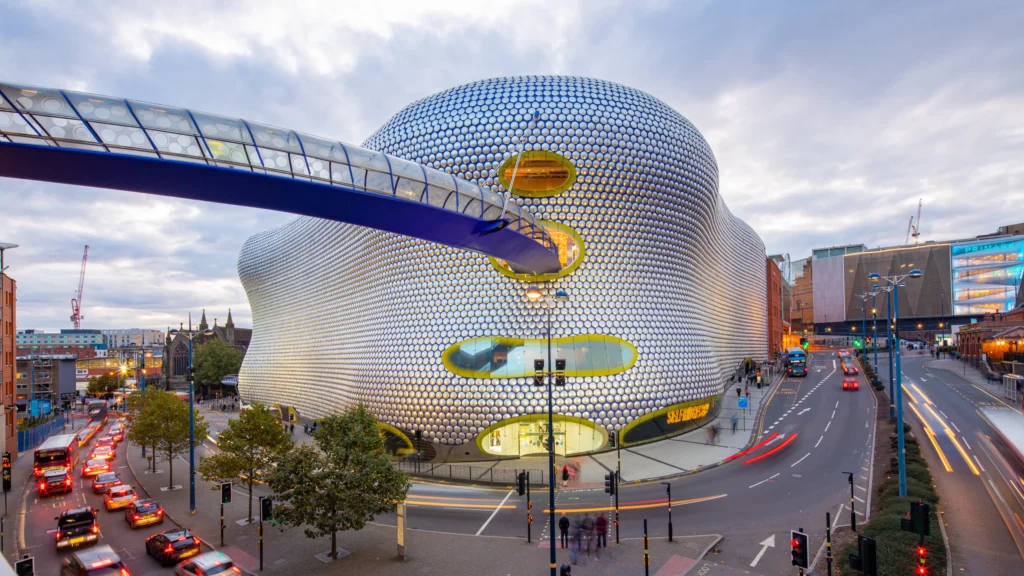
Key Highlights of Birmingham
- Thriving Economy: Home to the UK’s second-largest economy, Birmingham is a hotspot for industries like finance, technology, and manufacturing.
- Cultural Diversity: A melting pot of cultures, Birmingham is known for its diverse culinary scene, festivals, and neighborhoods.
- World-Class Shopping: Explore the iconic Bullring, the Mailbox, and independent boutiques in the Jewellery Quarter.
- Academic Excellence: With five universities, Birmingham is a leading center for education and research.
- Green Spaces: Boasting more canals than Venice and numerous parks, Birmingham offers plenty of options for outdoor activities.

Community Information
Real Estate Market Overview
Birmingham offers modern apartments, converted buildings and suburban houses. City-centre neighbourhoods suit buyers seeking proximity to offices, transport and entertainment, while established suburbs provide alternatives for households wanting more space. Regeneration and transport projects form part of the city’s development, but their status and proximity should be checked for each property.
Types of Properties Available
- City Apartments: Stylish apartments in areas like the City Core and Digbeth, ideal for professionals.
- Family Homes: Spacious properties in Edgbaston and Harborne, perfect for families seeking a suburban lifestyle.
- New Developments: Modern homes in areas undergoing regeneration, such as Smithfield and the Jewellery Quarter.
Lifestyle and Amenities
Birmingham offers shopping, entertainment and residential neighbourhoods with different settings. Bullring & Grand Central brings together major retailers and restaurants beside New Street station. The Mailbox and Brindleyplace offer further dining options, with canalside walks around the city centre.
For arts and entertainment, Symphony Hall hosts concerts, while Utilita Arena Birmingham stages live music and events. Digbeth offers independent venues, street art and creative businesses. Cannon Hill Park provides space for walking and recreation, alongside the Midlands Arts Centre.
If you prefer to live outside the centre, compare the local shops, parks and transport connections around your chosen neighbourhood. A city-centre apartment and a suburban family home can offer very different day-to-day experiences.
Schools and Education
- Selective boys’ education: King Edward VI Camp Hill School for Boys is a state-funded selective school in Kings Heath for pupils aged 11 to 18.
- Selective girls’ education: King Edward VI Camp Hill School for Girls is a separate state-funded selective school on the same Vicarage Road site.
- Independent education: King Edward VI High School for Girls in Edgbaston is an independent day school for girls aged 11 to 18.
- Universities: The University of Birmingham’s main campus is in Edgbaston. Aston University is based in the city centre, while Birmingham City University has City Centre and City South campuses.
Transportation and Accessibility
- National rail: New Street provides connections across the country, with Moor Street and Snow Hill offering further routes.
- Local rail: University station connects the University of Birmingham’s Edgbaston campus with New Street.
- Metro and buses: West Midlands Metro and local buses serve the centre and surrounding areas.
- Network development: Metro extensions are being delivered in phases, so distinguish operating services from planned connections.
Investment Potential and Market Trends
- Multiple residential markets: City-centre apartments and suburban houses serve different household needs.
- University locations: Campus access is relevant when assessing properties aimed at students or university staff.
- Regeneration: Development around Eastside and Digbeth is changing parts of the city, with delivery times varying by scheme.
- Ownership costs: Assess service charges, maintenance and likely rental costs alongside the purchase price.
Things to Do Nearby
- Brindleyplace: Explore the canalside restaurants and public spaces.
- Symphony Hall: Attend concerts and live performances.
- Cannon Hill Park: Combine outdoor recreation with a visit to the Midlands Arts Centre.
- Digbeth: Discover independent businesses, street art and entertainment venues.
Frequently Asked Questions
Below are some of the common questions we get asked about living or investing in the community.
What is the average property price in Birmingham?
The average property price in Birmingham is around £260,000, with apartments in the city center typically ranging from £150,000 to £350,000.
Is Birmingham a good city for families?
Yes, Birmingham is highly family-friendly, with excellent schools, parks, and family-oriented communities like Harborne and Sutton Coldfield.
What are the best areas for professionals in Birmingham?
Areas like the City Core, Jewellery Quarter, and Digbeth are popular among professionals for their proximity to work, dining, and entertainment options.